
I spent my gap year hiking across Pakistan with my brother, carrying my father’s memory in a small tin box. We ate with families in villages where the language was simple but the food was loud. A recipe is not just instructions; it is how people say the things they cannot otherwise say.
Today, I want to talk about Kibbeh Nayyeh. It is a dish from the Levant, specifically Lebanon and Syria. It is raw minced meat mixed with fine bulgur wheat and spices. To some, it sounds risky. To those who cook it, it is an act of trust.
The Technique of Trust
Making Kibbeh Nayyeh is not just about mixing ingredients. It is about precision. The meat must be fresh. Traditionally, it is lamb or beef from the leg or backstrap, cut into cubes and ground finely. Some chefs grind it twice to get a paste-like texture. The bulgur must be fine. You soak it in cold water for fifteen to twenty minutes. Then you drain it. This part is crucial. You have to squeeze every drop of water out of the bulgur. If it is wet, the kibbeh will be mushy. If it is dry, it binds perfectly with the meat.
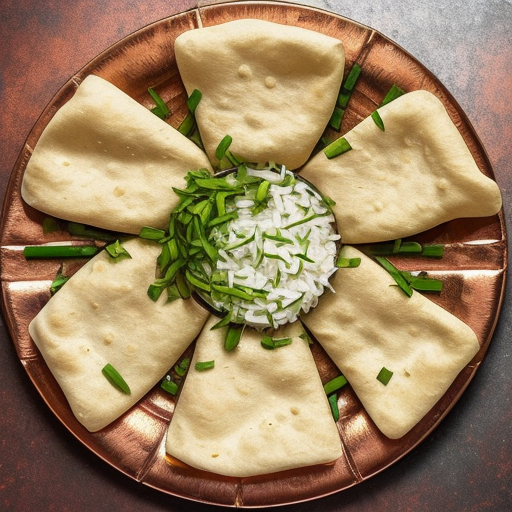
You mix the meat and bulgur by hand. Your hands get cold. The mixture stays cold. This is important for safety and texture. You add spices. Allspice is essential. Cinnamon adds warmth. Some add pomegranate molasses for acidity. The goal is a smooth, homogeneous paste. It should look pink and shiny. You shape it into a round tray or small balls. You serve it with olive oil, fresh mint, and green onions. Pita bread scoops it up.
The technique relies on the quality of the ingredients. There is no cooking to hide mistakes. The meat must be good. The bulgur must be right. It is a test of skill. But it is also a test of relationship. You only eat this from someone you trust.
Why It Matters
In Lebanon and Syria, Kibbeh Nayyeh is a national dish. It appears at weddings, holidays, and family gatherings. It signifies abundance. Serving raw meat is a statement. It says we have access to the freshest ingredients. It says we respect our guests enough to offer them something bold.
History points to Aleppo as a possible origin. Stories say that in Aleppo, animals were slaughtered on Sundays and feast days. The fresh meat was eaten raw immediately after preparation. This tradition continued because it preserved the pure flavor of the meat. Over time, it became a symbol of hospitality. In a region with complex history, food remains a constant. Kibbeh Nayyeh connects generations. Grandmothers teach granddaughters how to squeeze the bulgur. The smell of allspice and raw lamb fills the kitchen.
For me, this dish reminds me of the meals in Pakistan. There was always a moment of shared silence before eating. A recognition that the food had been prepared with care. Kibbeh Nayyeh is similar. It demands attention. You cannot rush it. You must appreciate the texture. The coolness of the meat against the warmth of the pita. The crunch of the mint.
We often think of safety as the absence of risk. But in food, trust is a form of safety. When you eat Kibbeh Nayyeh, you are trusting the cook. You are trusting the source. It is an intimate exchange. In a world that is increasingly processed and distant, this dish feels immediate. It is real.
If you have never tried it, ask someone who makes it well. Do not make it yourself unless you know exactly what you are doing. The stakes are high. But if you do try it, understand that you are participating in a tradition that is about more than nutrition. It is about connection. It is about saying welcome without words.